
 click on arrows to navigate page by page.
Beaver Tails master index
click on arrows to navigate page by page.
|
147
|
|
VP-YJC another short lived Beaver awaits at the terminal.
|
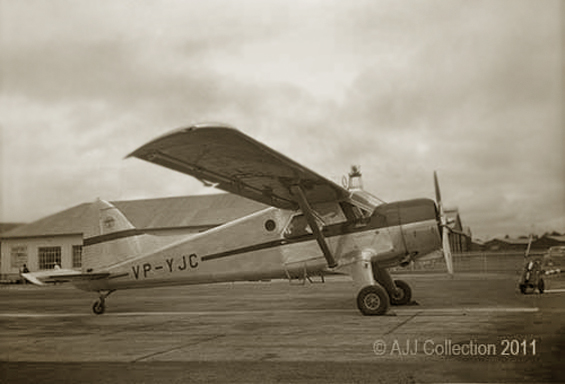 |
Photo: A. J. Jackson © AJJ Collection at Brooklands Museum |
147 VP-YJC x
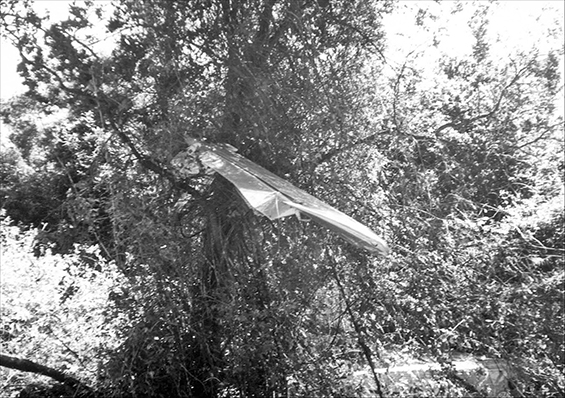
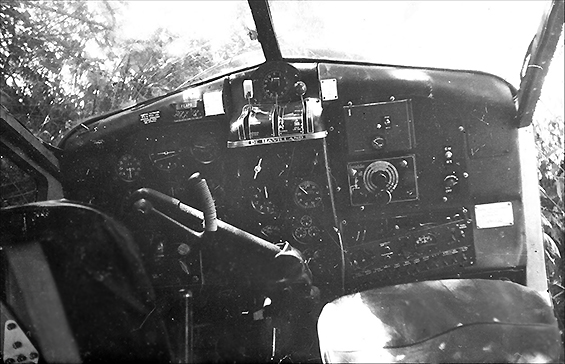
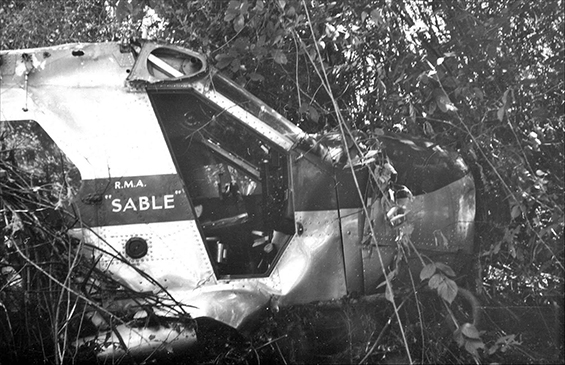
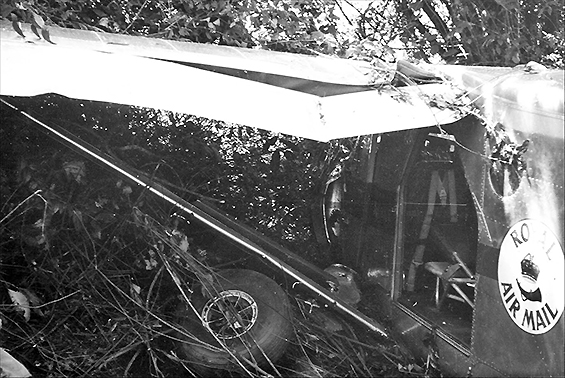
• VP-YJC Central African Airways Corporation, Salisbury, Rhodesia. Named “Sable”. Delivered 17-Oct-1951. Note; Plain Alloy with blue stripe on fuselage and band on tail. Interior grey with blue upholstery. Accident: Salima, Nyasaland, 15-Feb-1952. Crashed. See first image below.. Accident: Near Lake Nyasa, Oct-1958. Crashed in open land close to lake. c/n 147 VP-YJC ‘Sable’ On a morning in October, 1958, the Beaver left Karonga with one adult male passenger and three school children, headed south for its first port of call at Mzuzu. It never arrived and the alarm was raised. Boyd and I were notified by Police radio that the aircraft was missing in the area of Mount Laws (left) near Livingstonia Mission, which was on our common border, and instructed to mount a search. We met up at the Mission station with some of our African ranks familiar with the area and the language. There was a fair amount of cloud cover on this day but it turned out that some of the local people had heard the plane further inland from its normal route and this put it heading towards a very mountainous area. By this time it was about 3.00 pm. when our small party of a dozen or so set off towards the area where the plane was believed to have been heading when last heard. We had three hours of daylight left at most but were prepared to overnight en route. We also had the benefit of two local guides from the Mission. At nightfall we arrived at a village where our local guides negotiated a hut for us to sleep in (on the floor). It had been a steep climb and we were exhausted. After a quick bite to eat we fell asleep. Early next morning we were awoken by much excited talking. Men from further up in the mountains had arrived and were able to give a precise account of where the plane had crashed. At least we then knew we were on the right track. We quickly prepared ourselves and set off up the steep, winding track, full of dread at what we were likely to find when we arrived at the scene. Within half an hour our dread was suddenly turned into absolute joy and relief when we met the pilot and all the passengers from the plane walking down the track towards us. It was a moment Boyd and I will never forget. After recording details of names and addresses and listening to their account of what had happened, we headed on up to the crash scene and they headed on down to Livingstonia Mission to let the world know they were all safe (no cell ‘phones in those days). For the record, the only injury was a cut/bump on the head suffered by the adult passenger who was in the front seat next to the pilot, the children were shaken but uninjured, saved by their seat belts. On arrival at the crash scene we found one of the aircraft’s wings lodged up in the trees, with the rest of the aircraft on the ground and the fuselage and cabin pretty much intact. The undercarriage had been ripped off but was not far out of place either side of the fuselage indicating a fairly low speed when it hit the forest floor. I made a drawing of the aircraft instrument layout and recorded all the readings and settings. I also had a police camera with me and took photographs with it but because I had not previously used it I was not sure how well they would come out (if at all). As it happened they were reasonably good. • VP-YJC Central African Airways. Canx following accident on 23-Jan-1959. • Written off • |
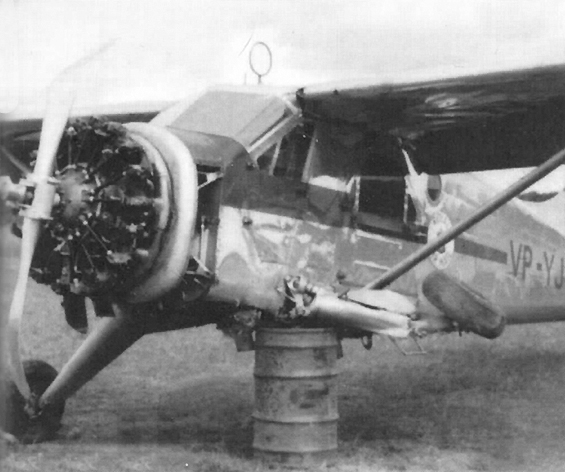 |
After first crash landing at Salima, on 15-Feb-1952
|
VP-YJC after second accident. Narrative above. |
_565.jpg) |
 |
 |
 |
 |
Photos: Via Antony Richardson © From retired Nyasaland (now Malawi) Police Officer |